
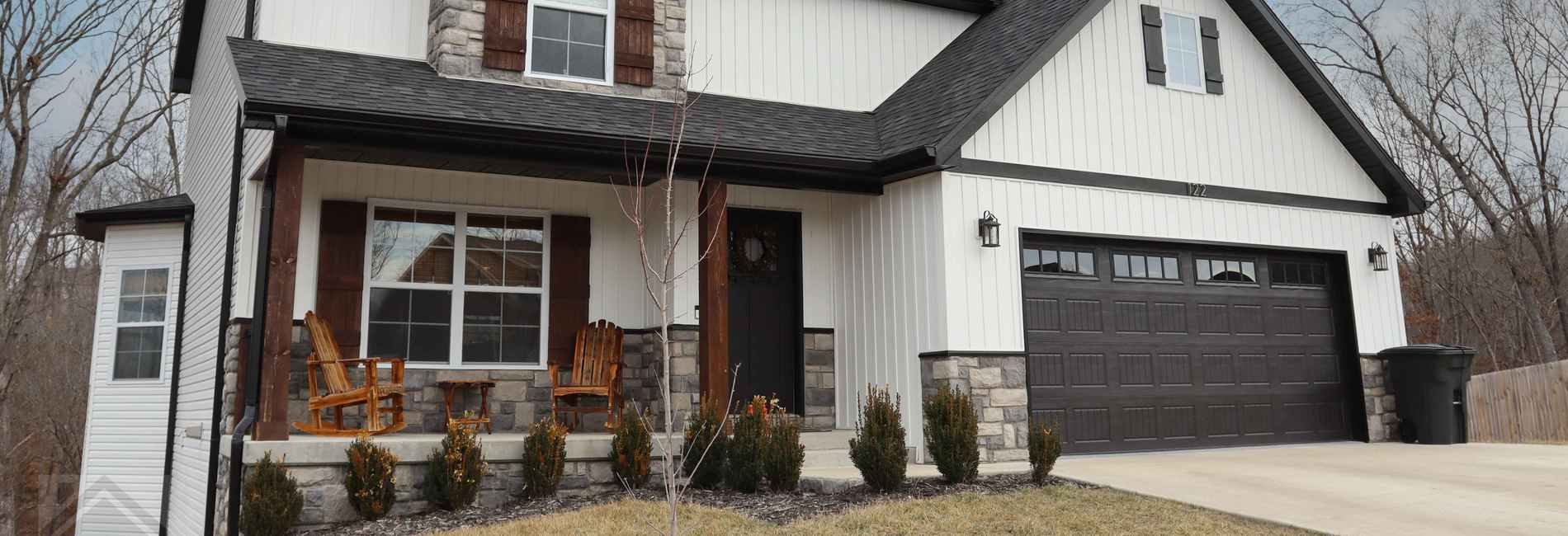
Should You Buy an Older Home or New Construction?

A brand-new kitchen, untouched floors, and a builder warranty can sound pretty hard to resist. Then you tour an older St. Robert home with more space, an established yard, and a price that leaves room in the budget, and suddenly the decision is not nearly as obvious.
The truth is that neither option automatically wins. New construction may offer modern efficiency and fewer immediate repairs, while an older home can provide more square footage, character, or a better location for the same investment. The right choice depends on how you want to live, how much maintenance you are comfortable handling, and what your budget needs to cover after closing.
St. Robert Gives Buyers Two Very Different Paths
St. Robert’s housing market includes homes built across several decades, from established properties dating to the 1970s, 1980s, and 1990s to newer subdivisions and a more limited selection of brand-new homes.
Realtor.com currently shows more than 100 homes for sale in St. Robert, with a median listing price around $264,900. The site also shows fewer options categorized as new construction, which means buyers who remain open to resale homes will usually have more locations, lot sizes, floor plans, and price points to compare.
Older Homes Usually Offer More Variety
An older home in St. Robert does not necessarily mean a major fixer-upper. Many resale properties were built within the past 20 to 40 years and may already have updated roofs, HVAC systems, flooring, kitchens, or bathrooms.
Because these homes are spread throughout established areas of St. Robert and nearby Waynesville, buyers often have more flexibility when comparing commute routes, yard size, neighborhood atmosphere, and access to Fort Leonard Wood.
As experienced real estate professionals serving the Fort Leonard Wood area, Walker Real Estate Experts has seen buyers arrive focused on new construction, only to discover that an updated resale home offers more space or a location that fits their daily routine better.
New Construction Offers a Cleaner Starting Point
A newly built home can appeal to buyers who do not want to inherit another owner’s design choices or maintenance history. Modern layouts often include open living spaces, larger kitchen islands, walk-in closets, contemporary finishes, and more storage.
New construction also means the roof, HVAC, plumbing, appliances, and major systems have not already been used for years. That does not eliminate future maintenance, but it may reduce the likelihood of certain major expenses during the first few years.
Purchase Price Is Only the First Number to Compare
Older homes are often less expensive than comparable new construction, although price differences depend on size, location, condition, updates, and lot size. A resale property may give buyers more square footage or a larger yard without reaching the top of the budget. New homes may carry a premium because of their age, design, efficiency, and lower expected short-term maintenance.
St. Robert’s average home value was approximately $238,000 in June 2026, while typical listing prices remained in the mid-$200s. Those figures provide useful context, but every property should still be evaluated individually.
A Lower Price Can Create Room for Improvements
An older home priced below your maximum budget may leave money available for paint, flooring, appliances, or future renovations. That can be appealing to buyers who enjoy personalizing a property over time.
The key is understanding the difference between cosmetic work and major repairs. A dated kitchen may be manageable, while an aging roof, HVAC system, or structural concern can significantly change the true cost of ownership.
Builder Pricing May Not Include Everything
New construction buyers should look beyond the advertised starting price. Model homes may include upgraded flooring, lighting, countertops, appliances, and landscaping that are not part of the base package.
Lot premiums, design selections, homeowners association fees, and added features can increase the final cost. Buyers should request a clear breakdown before assuming the advertised price represents the complete purchase.
Maintenance Is One of the Biggest Trade-Offs
Maintenance often becomes the deciding factor between an older home and a new build. An existing property may need more immediate attention, especially when major systems are approaching the end of their useful life. A new home may reduce some early repair concerns, but buyers should still budget for routine upkeep and inspect the property carefully.
Resale Homes Require a Careful Look at Major Systems
The roof, HVAC, water heater, plumbing, electrical system, windows, foundation, and drainage all deserve close attention in an existing property. Age alone does not determine condition. A well-maintained 25-year-old home with documented updates may be a stronger purchase than a newer property with deferred maintenance.
An inspection can help buyers understand what needs attention now, what may need replacement later, and whether the property fits their comfort level and budget.
New Homes Still Need Inspections
Brand-new does not mean perfect. Construction defects, drainage problems, missing insulation, damaged materials, or unfinished items can still occur.
An independent inspection gives buyers a chance to identify concerns before closing. It is also important to understand exactly what the builder warranty covers, how long coverage lasts, and how claims must be submitted.
The Federal Trade Commission advises buyers to review home warranties carefully because exclusions, responsibilities, and claim procedures vary.
Energy Efficiency Can Affect the Monthly Budget
Newer homes are often built with updated insulation, windows, HVAC equipment, and air-sealing standards. Those features may improve comfort and reduce energy use compared with an older home that has never been updated.
High-performing new homes may include stronger thermal envelopes, efficient windows, improved air sealing, and higher-efficiency mechanical systems. Buyers should still ask for actual specifications, since not every new property meets the same performance level.
Older homes are not automatically inefficient. Replacement windows, added insulation, updated HVAC systems, smart thermostats, and newer appliances can make a significant difference. It is also worth considering the size of the house. A smaller resale home may cost less to heat and cool than a much larger new property, even when the newer home is more efficient per square foot.
Modern Layout or Established Character?
The way a home is arranged can matter just as much as its age. A newer floor plan may feel open and flexible, while an older layout can offer more separation and privacy between rooms. The better choice depends on how your household uses the space every day.
New Construction Reflects Current Preferences
Many new homes emphasize open kitchens, connected living areas, larger primary suites, walk-in closets, and flexible rooms for offices or playrooms. These layouts often work well for buyers who entertain, work remotely, or prefer fewer walls between the main living spaces.
Older Homes May Offer Features New Builds Do Not
Resale homes may include finished basements, larger garages, mature landscaping, bigger lots, separate living rooms, or wider spacing between neighboring properties. A more divided layout can also be useful for households that want quiet rooms, privacy, or dedicated spaces for different activities. Renovation can allow buyers to update the home while keeping the features they value.
Choose the Home That Fits Your Next Five Years
An older home may be the better fit when you value location, lot size, established surroundings, renovation potential, or more space for the money. It can also make sense when you are comfortable budgeting for maintenance and improvements over time.
New construction may be a stronger choice when you prefer modern layouts, energy-efficient features, warranty coverage, and fewer expected repairs during the early years of ownership.
The smartest decision comes from comparing the complete picture: purchase price, inspections, future repairs, utilities, commute, warranty coverage, monthly expenses, and how long you expect to own the home.
Planning a PCS move or deciding between a resale home and new construction near Fort Leonard Wood? Contact Walker Real Estate Experts for current property options, local guidance, and help comparing the details that matter most to your household.
FAQs About Older Homes and New Construction
Is new construction always more expensive?
Not always, but newer homes often carry a premium for modern finishes, unused systems, and lower expected short-term maintenance.
Do I need an inspection on a new home?
Yes. An independent inspection can uncover construction concerns before closing.
Are older homes less energy-efficient?
Some are, but updated windows, insulation, appliances, and HVAC systems can improve efficiency significantly.
What should I inspect closely in an older home?
Focus on the roof, foundation, HVAC, plumbing, electrical system, drainage, windows, and previous repairs.
Which option is better for a military buyer?
It depends on PCS timing, commute needs, budget, maintenance preferences, and how long the buyer expects to own the home.
About Walker Real Estate Experts
Walker Real Estate Experts has become one of the most trusted real estate teams serving military families throughout the Fort Leonard Wood area. With more than 70 years of combined real estate experience and 2,701 successfully closed transactions, the team understands the unique challenges and opportunities that come with military relocations.
Their reputation is backed by more than 600+ five-star Google reviews and numerous Board of Realtors honors, including Realtor of the Year (twice), Salesperson of the Year, and Rookie of the Year seven times. Walker Real Estate Experts has also earned Best of the Best Pulaski County recognition for six consecutive years.


Post a Comment